Ulnar Collateral Ligament (UCL) Injury of the Thumb
What is a sprain or injury to the UCL in the thumb?
The UCL, or ulnar collateral ligament, is located in the middle thumb joint, and provides support to the thumb during grip and pinch. It is the most common ligament injury in the thumb. This injury is known as skier’s or gamekeeper’s thumb.
What causes a UCL injury in the thumb?
Most often, injuries occur during sport or recreational activities, such as skiing, football, biking and soccer. Any extreme force to the thumb in the opposite direction can cause a sprain or strain, but injuries can also occur as a result of a fall, or jamming the thumb. What are the symptoms of a UCL injury in the thumb? Pain and swelling in the middle joint of the thumb can occur right after injury, with possible bruising and stiffness in the joint. With this injury, activities such as holding a drinking glass or writing may be difficult. Weakness may be a symptom as well, with a decreased ability to grip or pinch any object with the thumb and hand.
What is the treatment for a UCL injury in the thumb?
The doctor will likely order an X-ray of the thumb to rule out a broken bone. The doctor will also test the stability of the thumb with gentle pressure from each side, and compare this to the other thumb. If there is a sprain to the UCL of the thumb, the physician may prescribe a custom orthosis to rest the joint and ligament for a period of time. If the ligament is torn or ruptured, the doctor may recommend surgery to repair the ligament.
What can a hand therapist do for me?
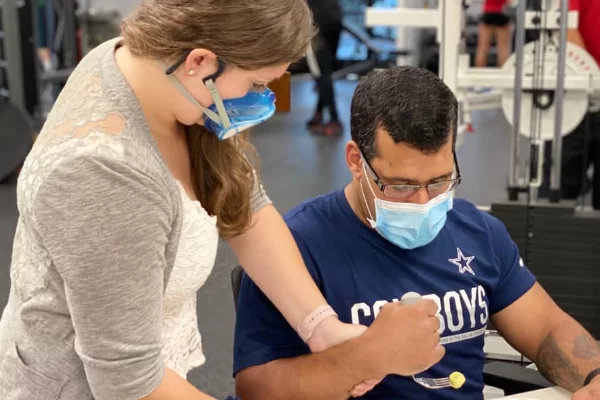
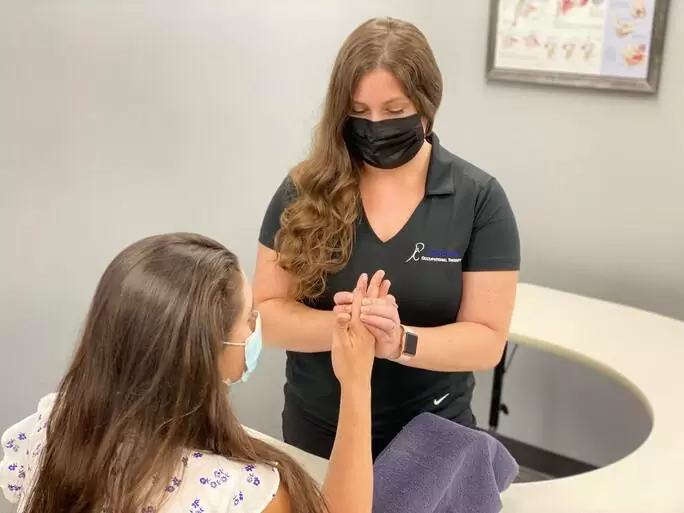
A therapist can make a custom orthosis to rest the thumb ligament as it heals. While the ligament is healing, the therapist will provide gentle exercises for the other joints of the hand. After the ligament has healed, the therapist will progress exercises to increase function and strength in the hand and thumb.
Fingertip Injuries
What is a fingertip injury?
Fingertip injuries occur to the tips of the fingers or thumb. They are common injuries and range from minor cuts to major damage to bone and surrounding soft tissue. Fingertip injuries include the end joint of the finger, the finger pad and the nail. They can be a fracture (broken bone), a laceration (cut), an amputation and damage to the nail. Injuries can occur to blood vessels, nerves and tendons that lie just under the skin.
What causes a fingertip injury?
Injuries to the fingertips are common in accidents at home, work and during sports. The tips of the longer fingers tend to be injured more often because they are the last to escape from harm’s way. Injuries occur when a fingertip is closed in a car door, while chopping vegetables, when removing grass from a lawnmower or when a baseball hits the tip of a finger.
What are the symptoms of a fingertip injury?
Fingertip injuries can cause bleeding, bruising and swelling. There may also be decreased feeling and a change to the shape of the finger. Some fingertip injuries may develop an infection. Due to nerve endings on the tip of the finger, these injuries may be painful and sensitive when touched.
What is the treatment for a fingertip injury?
A doctor should examine an injury to the tip of a finger or thumb. Treatment depends on the type and severity of the injury. Without proper care, a fingertip injury can result in permanent deformity and disability. Some injuries require surgery, and some require wound care and a finger orthosis to protect the healing tip.
What can a hand therapist do for me?
A hand therapist is very important in the recovery after a fingertip injury. A therapist may make a fingertip orthosis to prevent the tip from being hit while it is healing. Additional treatment includes wound care and exercises to regain motion and improve sensation, strength and use of the finger.