
Discover Key Strategies That Can Help You Manage Your Back Pain
Imagine waking up each morning with a nagging ache in your lower back. It might not hurt too much, but it’s still a constant reminder that something isn’t right. Or perhaps you’re experiencing a sharp, stabbing pain that starts in your back and shoots down your leg, making even the simplest movements a challenge. You know you need relief, but you aren’t sure where to start.
If either of these scenarios sounds familiar, you’re not alone: back pain is a pervasive problem that affects millions of people worldwide, impacting their ability to work, enjoy their hobbies, and live life to the fullest. Fortunately, the team at Professional Care can help you understand the reason for your pain– and more importantly, find the relief you need.
A Closer Look at Back Pain
Back pain can be surprisingly complex. Often, the source of your pain isn’t a single injury or condition, but rather several factors that compound together. Addressing back pain starts by understanding your specific experience with it.
Broadly speaking, there are two main types of back pain:
Acute
Acute back pain typically occurs suddenly and lasts for a short period (usually less than six weeks). Causes include:
- Damage to the muscles or ligaments in the back, usually from injuries like a fall, a car accident, or a sports-related impact
- Herniated or bulging spinal discs
- A sudden, awkward movement that strains your spinal tissues
Chronic
Chronic back pain, on the other hand, persists for three months or longer– well past the time an injury would have healed. It often develops from a complex blend of factors and can be difficult to manage. Common causes include:
- Degenerative disc disease
- Spinal osteoarthritis
- Spinal stenosis
- Postural imbalances
- Weak core or hip muscles
Managing Back Pain with Professional Care
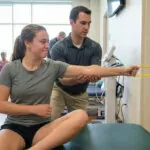
Our team of physical therapists, occupational therapists, and sports performance specialists all offer unique approaches to managing and resolving back pain.
Physical Therapy: Hands-On, Targeted Relief
Our physical therapists focus on identifying the underlying cause of back pain, whether it stems from muscle strain, disc injury, arthritis, or poor movement mechanics. Treatment begins with a thorough evaluation and continues with evidence-based techniques that address current discomfort while also helping to prevent future flare-ups. Techniques we might suggest include:
Manual Therapy
Skilled hands-on and instrument-assisted techniques help reduce stiffness, improve blood flow, and ease muscle tension around the spine.
Therapeutic Exercise
Specific exercises build core and back strength to support the spine and improve posture.
Neuromuscular Re-education
This approach retrains muscles and nerves to work together correctly, restoring control and coordination.
Postural and Biomechanical Training
We’ll identify movement patterns that trigger pain and teach corrective exercises that relieve it.
Occupational Therapy: Strength for Daily Living
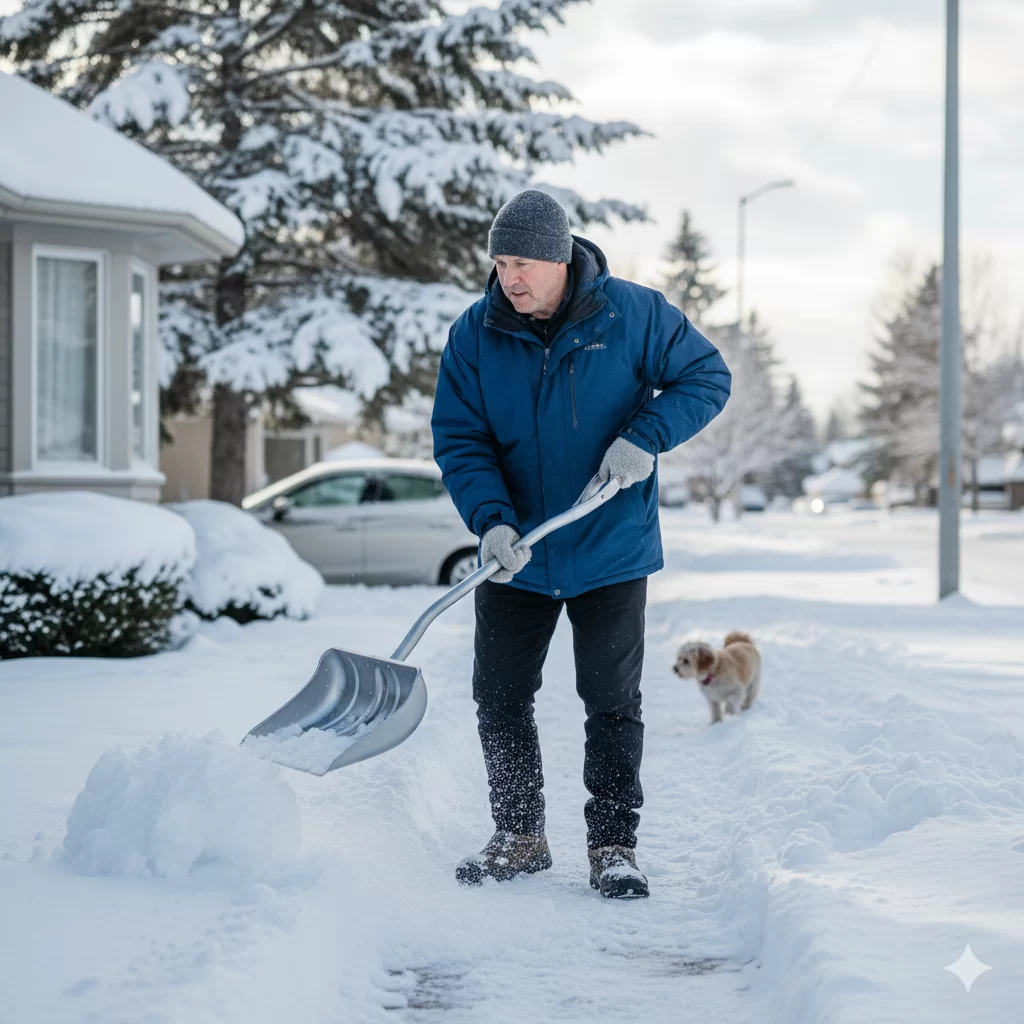
If back pain is interfering with work, household tasks, or self-care, our occupational therapists can help address these challenges directly. This might include:
Ergonomic Education
We’ll teach proper lifting techniques, workstation setup, and movement habits to protect the spine.
Functional Training
This training simulates daily or job-specific activities to restore independence and reduce the risk of reinjury.
Adaptive Strategies
When needed, we may suggest simple tools or movement modifications to make everyday activities more manageable and less painful.
Sports Performance: Building Strength and Prevention
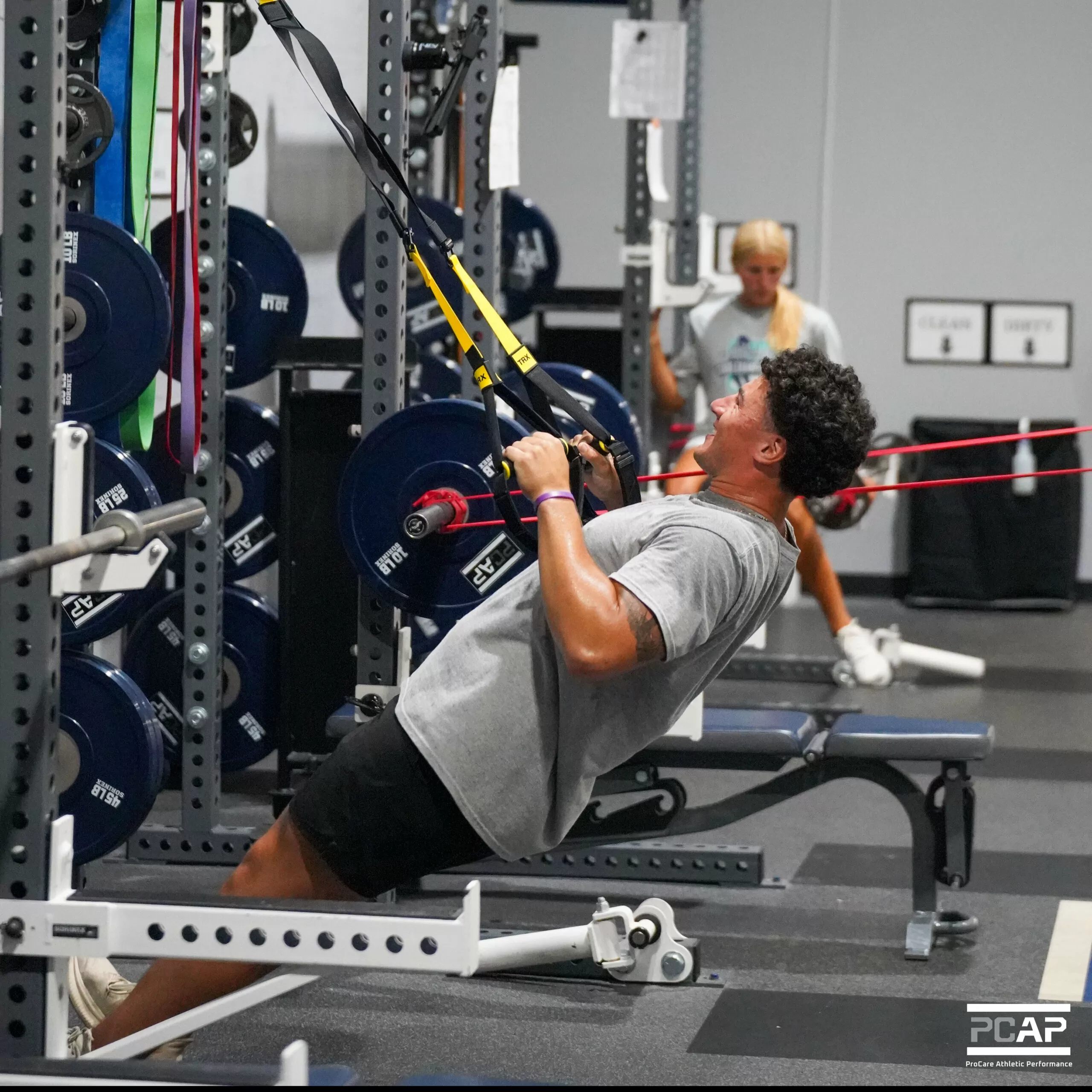
For athletes or active adults, our sports performance specialists bridge the gap between post-injury rehabilitation and achieving peak performance. We develop customized programs that include:
- Core and Hip Stability Training
Targeted exercises that protect the lower back during athletic movements. - Mobility Work
Specialized training to keep muscles balanced and joints moving freely. - Movement Analysis
An in-depth assessment to correct poor mechanics that contribute to recurring pain.
Unlock Back Pain Relief Today!
When you schedule your first appointment with Professional Care, you’ll work with a compassionate team of professionals dedicated to understanding your unique needs and challenges. We’ll start with a comprehensive evaluation to pinpoint the root cause of your back pain. From there, we’ll craft a personalized treatment plan that empowers you to take control of your recovery.
Don’t let back pain hold you back any longer. Contact us today and let our physical therapists, occupational therapists, and sports performance specialists guide you on the path to lasting relief.

Recipe of the Month: Cinnamon Rolls
Dough
- ¾ c milk
- 2 ¼ tsp active dry yeast
- ¼ c granulated sugar
- 4 tbsp salted butter, melted and cooled
- 1 large egg plus 1 large egg yolk, at room temperature
- 3 c bread flour
- ¾ tsp kosher salt
- Extra-virgin olive oil
Filling
- 4 tbsp salted butter, softened
- ¾ c packed dark brown sugar
- 1 ½ tbsp ground cinnamon
Frosting
- 4 oz cream cheese, softened
- ¾ c powdered sugar
- 3 tbsp salted butter, softened
- ½ tsp vanilla extract
Instructions
- Warm milk in a microwave-safe bowl for 45–60 seconds until 115°F. Pour into a stand mixer fitted with the paddle and sprinkle yeast over top.
- Add sugar and let sit until foamy, about 5 minutes.
- Add melted butter, egg, and yolk; mix on medium for 30 seconds.
- Stir in flour and salt until a rough dough forms, switch to the dough hook, and knead on medium until soft and slightly sticky, 8–10 minutes, adding up to 3 Tbsp extra flour if needed. (Alternatively, knead by hand for 8–10 minutes.)
- Warm a dish towel in the dryer. Lightly oil a large bowl; place dough inside, cover with plastic wrap and the warm towel, and let rise until doubled, 1–1½ hours, until an indentation doesn’t spring back.
- Dust a surface with flour and roll dough into a 10×14-inch rectangle.
- Spread softened butter over the dough, leaving a ¼-inch margin on one short edge.
- Mix brown sugar and cinnamon; sprinkle evenly and press gently into the butter.
- Roll tightly from the opposite short edge, pinch to seal, and place seam-side down.
- Trim ½ inch from each end, compact the roll slightly, and cut into nine 1-inch slices using floss or a serrated knife.
- Line a 9-inch round or square pan with parchment; arrange rolls, cover, and let rise until doubled and touching, 45–60 minutes.
- Preheat oven to 350°F; bake 20–25 minutes until golden on the edges and soft in the centers.
- Cool for 10 minutes.
- For the frosting, beat cream cheese, powdered sugar, butter, and vanilla on low for 30 seconds, then on medium-high until smooth and fluffy, 1–2 minutes.
- Spread frosting over warm rolls.
- Store tightly covered or in airtight containers; refrigerate up to 5 days. Reheat rolls in the microwave in 15-second intervals.
A Special Thanks to
Dr. DeGiorgio and Her Team!

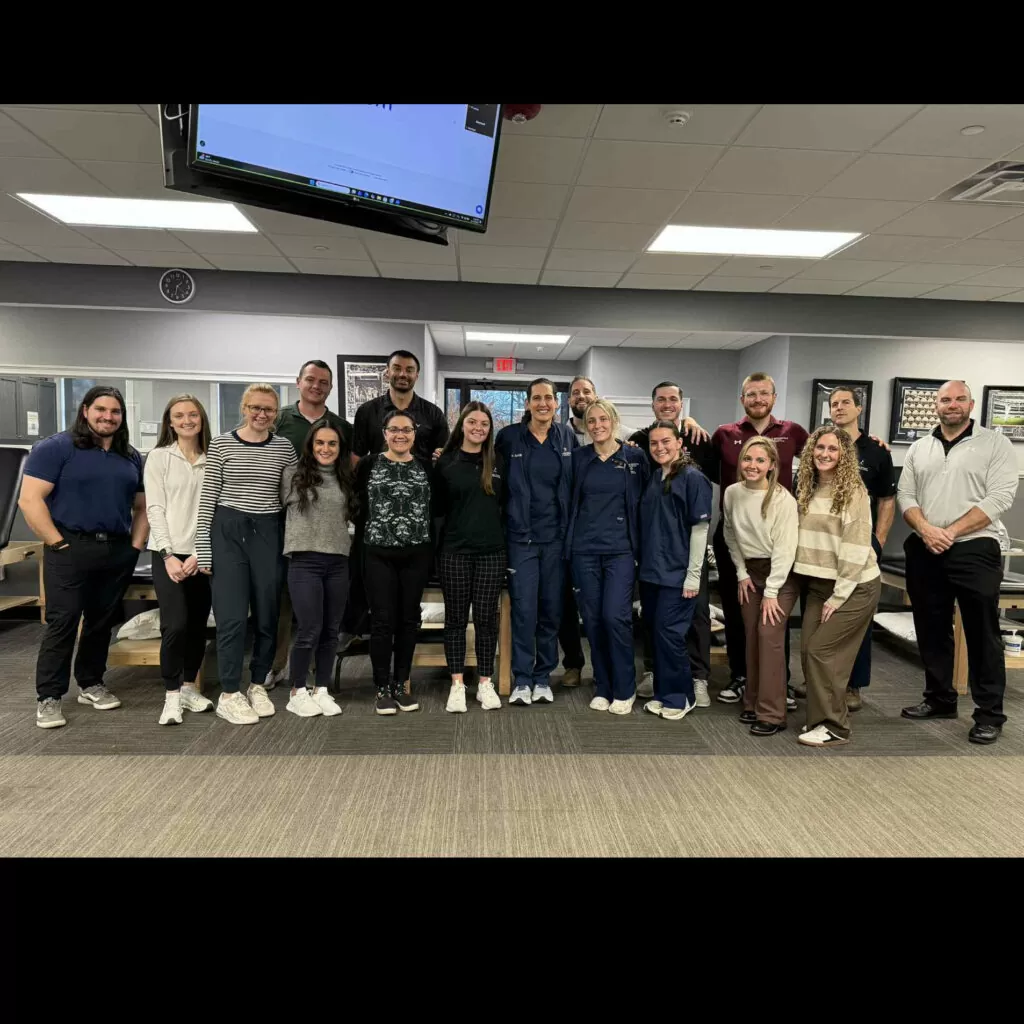
We were delighted to welcome Dr. DeGiorgio and her team on Friday to our East Patchogue location for our monthly in-service session. She delivered an insightful and informative presentation on regenerative and non-surgical sports medicine procedures.
Dr. DeGiorgio is a specialist in non-operative sports medicine with Orthopedic Associates of Long Island. She serves as OALI’s Director of Regenerative Medicine and is also an Assistant Clinical Professor in the Department of Physical Medicine and Rehabilitation at Stony Brook University School of Medicine. She holds dual board certifications in Physical Medicine & Rehabilitation and Sports Medicine. Additionally, she is an active member of several professional organizations, including the American Academy of Physical Medicine and Rehabilitation, the American Medical Society for Sports Medicine, and the American College of Sports Medicine.

Prevent Back Pain and Mobility Restrictions Before They Start
Do any of these statements apply to you?
- I have a job that requires me to sit at a desk.
- I struggle to find time to exercise regularly.
- I never learned proper lifting techniques.
- People frequently tell me I slouch.
If so, you may be at a higher risk of developing back pain. Several lifestyle factors can increase the likelihood of an injury leading to back pain. Fortunately, physical and occupational therapy at Professional Care is a great choice not only for resolving back pain but also for preventing it before it even begins.
Three Simple Back Pain Prevention Tips
Tip 1: Exercise
Regular physical activity helps strengthen the muscles that support and stabilize your spine. Find something that suits your interests and ability level, such as daily walks, simple resistance exercises, or dance fitness classes.
Tip 2: Minimize Sitting
Prolonged sitting can have wide-ranging effects, including increased pressure on your spine. If you have a desk job, get up and move around every 30 minutes or so, even if it’s just to stand up and stretch.
Tip 3: Ask for Help
When it comes to lifting heavy objects, don’t get ambitious! Ask for help when lifting anything heavy or awkwardly shaped, and make sure you’re using proper lifting techniques. Not sure what those are? Our team will happily show you how to lift without risking injury.
While these tips can get you started, the Professional Care physical and occupational therapists can help you develop a customized back pain prevention plan. We’ll help you identify any lifestyle factors that might put you at risk of developing back pain and then work with you to address them.

For more information or to register, call 631-213-1182

No Referral? No Problem!
Did you know we can see you for Occupational & Physical Therapy with or without a referral from a doctor? Call us today for more information!
Let’s Get You Better ASAP!
Don’t let pain dictate your life. Take the first step towards reclaiming your mobility and well-being with our expert support. Start your journey to a healthier you today.