
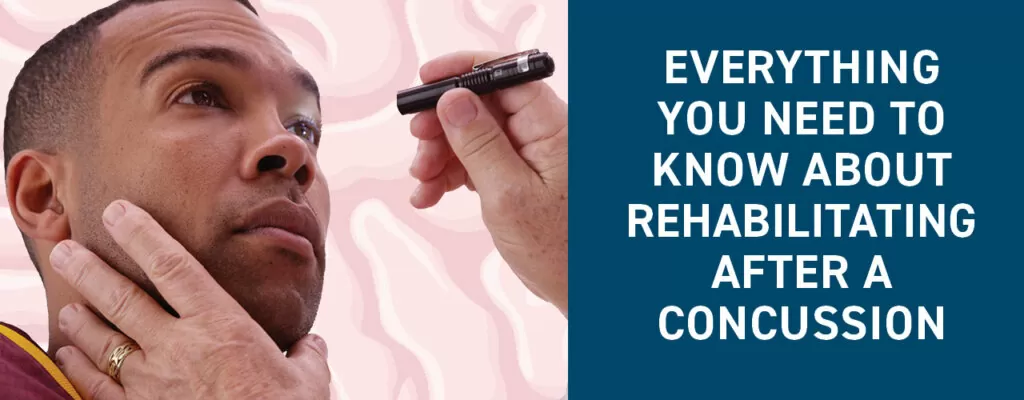
If you’re an athlete, then there’s a good chance either you or someone you know has suffered a concussion. Concussions are quite common, and you’ll often see them referred to as “mild” TBIs (traumatic brain injuries). However, don’t make the mistake of thinking a concussion isn’t serious – or that it doesn’t require dedicated rehabilitation.
The reason concussions are classified as “mild” is because they aren’t life-threatening. However, they do cause damage to the brain, leading to a wide range of physical, cognitive, and sensory symptoms. If you don’t manage these symptoms appropriately, a concussion can potentially cause long-term damage.
Fortunately, the physical and occupational therapists at Professional Care offer comprehensive concussion management and rehabilitation. Our personalized programs can help manage symptoms and prevent future complications.
We want to provide insight into concussions: what can cause them, what signs to watch out for, and why you should consider physical therapy to rehabilitate them. Want more personalized guidance? Call our clinic today to speak to our friendly staff!
What You Need to Know About Concussions
Concussions occur when the brain is jostled or shaken inside the skull, usually as a result of a fall or a bump or blow to the head. This is why they’re so common among athletes, and not just contact athletes, either. A soccer player might suffer a concussion when improperly heading a ball, or a gymnast might suffer a concussion when he falls off a balance beam.
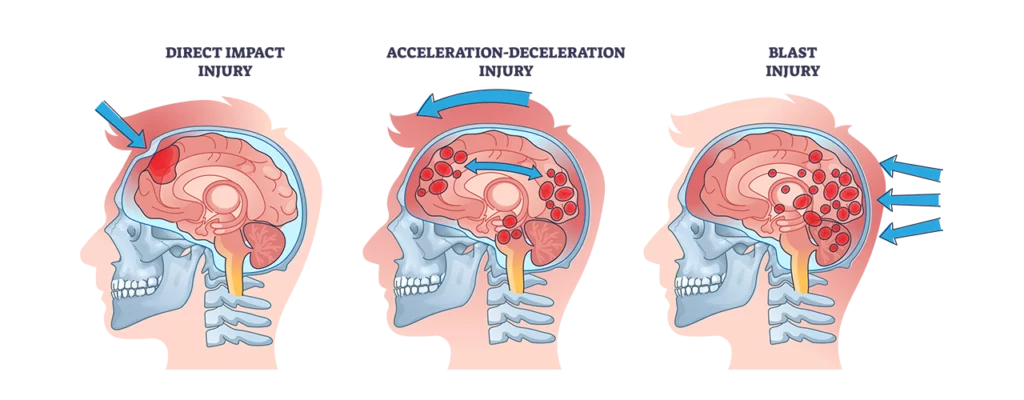
The symptoms of a concussion aren’t always obvious. Not everyone with a concussion will necessarily lose consciousness, for example, and sometimes symptoms may take several days to appear. Symptoms can also vary wildly depending on which part of the brain is affected.
Physical Concussion Symptoms
- Drowsiness
- Headaches
- Nausea and vomiting
- Fatigue
- Difficulty sleeping
Cognitive Concussion Symptoms
- Memory loss
- Confusion
- Difficulty concentrating
- Irritability
Sensory Concussion Symptoms
- Light sensitivity
- Blurred or double vision
- Dizziness, vertigo, or balance problems
Concussion therapy at Professional Care can help you manage your symptoms while working to prevent them from developing into long-term issues.
What Happens During Concussion Management and Rehab?
While you should absolutely visit an emergency room immediately following a suspected concussion, physical and occupational therapy plays an essential role in your recovery once a physician has cleared you. We’ll work closely with you and other healthcare team members to create a personalized treatment program that addresses your specific symptoms.
We blend several different techniques to find the right approach for your needs. Here are just a few of those techniques:
Cervical Spine Therapy
Manual therapy techniques, like cervical mobilizations, as well as targeted stretches and strengthening exercises, can help alleviate neck pain and headaches stemming from your concussion.
Vestibular Therapy
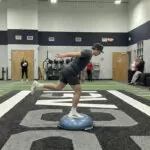
Vestibular therapy helps address vertigo and balance challenges through specialized exercises targeting gaze stability and inner ear functions. As you improve, we might also use balance training to improve your overall balance and reduce your risk of falling.
Help with Day-to-Day Challenges
Certain daily tasks may become difficult with a concussion. Our occupational therapists can provide you with tools to perform the activities you need and want to do, such as reading, writing, etc. We can help you pace yourself so you don’t get fatigued or overwhelmed, and we can suggest modifications, stress relief exercises, and other strategies as needed.
Aerobic Exercise
Light, monitored aerobic exercises like walking or riding a stationary bike are crucial in concussion rehabilitation. We’ll carefully track your activity and won’t let you do too much too soon. It’s important that you not work out alone — our expert guidance will help keep you safe.
As you progress through your concussion rehabilitation program, we’ll adjust your treatment plan to suit your needs. For example, we might increase the intensity of your exercises or work with you on specific functional movements.
If you’re an athlete, we know you’re eager to get back to your chosen sport. We can help prepare you for your return with sport-specific training and suggestions for activity modifications – all in a monitored environment to make sure these activities don’t aggravate your symptoms.
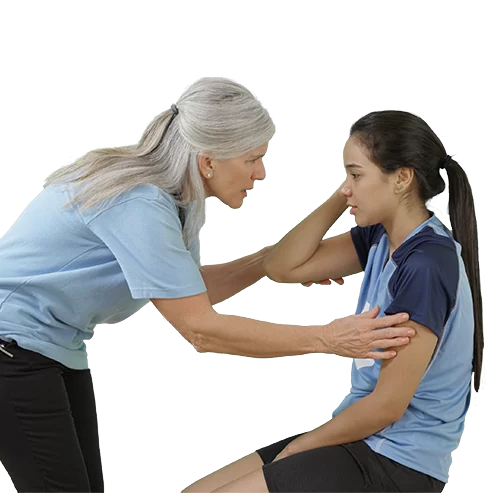
You Don’t Have to Rehabilitate a Concussion On Your Own
Concussion therapy and rehabilitation at Professional Care offers a structured, supportive environment to ensure you’re properly recovering from your concussion. Our physical and occupational therapists take a whole-person approach to care, personalizing each program to suit your needs.
If you need a little help recovering after a concussion, schedule an appointment with us today!
Tailored to Your Needs

WHAT DOES A PHYSICAL THERAPY TREATMENT PLAN LOOK LIKE?
Everyone has different needs based on the conditions of their bodies. There is no cookie-cutter approach to health and wellness, as one treatment plan may not work the same for one person as it would for another.
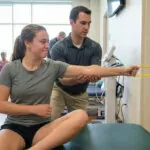
Our physical therapists will work closely with you to evaluate your mobility, balance, range of motion, and severity of pain. Your physical goals will also be taken into account when creating your treatment plan, as well as any health risks that may be holding you back.
At your initial evaluation, you may be asked to perform basic movements, such as sitting down, standing up, walking, lifting, stretching, and other motions. Typically, you will have a posture assessment and strength assessment as well.
Once your physical therapist has a clear picture of what you need, he or she will begin constructing a treatment plan to help relieve your pain and achieve your goals.
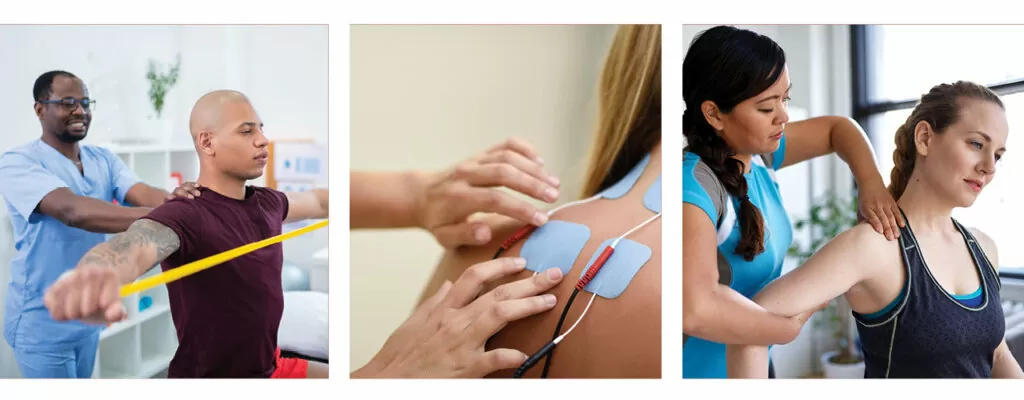
Through in-office sessions and at-home exercises, patients strengthen their muscles and joints, improve their balance, build endurance, and experience pain relief, all without the unwanted harmful risks of drugs or surgery.
BEGIN YOUR TREATMENT PLAN TODAY!
An active lifestyle is more than possible, even if you struggle with chronic pain. If you are looking to relieve pain and improve your health, strength, and physical activity, look no further — we are here to help.
Staff Spotlight
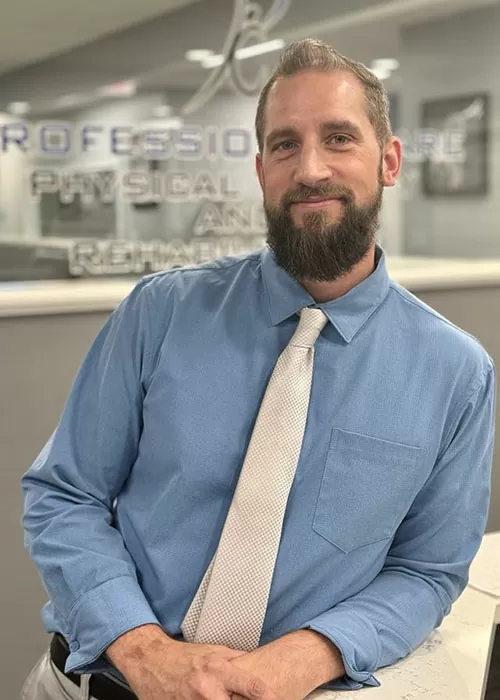
Kieran Curry joins our East Patchogue Team!
Kieran Curry, PTA was raised in Selden, New York, and graduated from Newfield High School before attending Suffolk Community College. His interest in Biology and his desire to assist others led him to pursue the Physical Therapy Assistant (PTA) Program.
During his college years, he worked as a Physical Therapy Aide at Professional Care Physical Therapy & Rehabilitation to gain more experience in the field. After completing his studies at Suffolk Community College, he dedicated 12 years to working in an outpatient clinic, refining his skills as a PTA.
Kieran finds fulfillment in connecting with and aiding his patients, guided by a strong sense of family. He has raised four children who actively participate in community activities such as sports, music, dance, karate, and Boy Scouts.
Patient Spotlight
Tray Credle
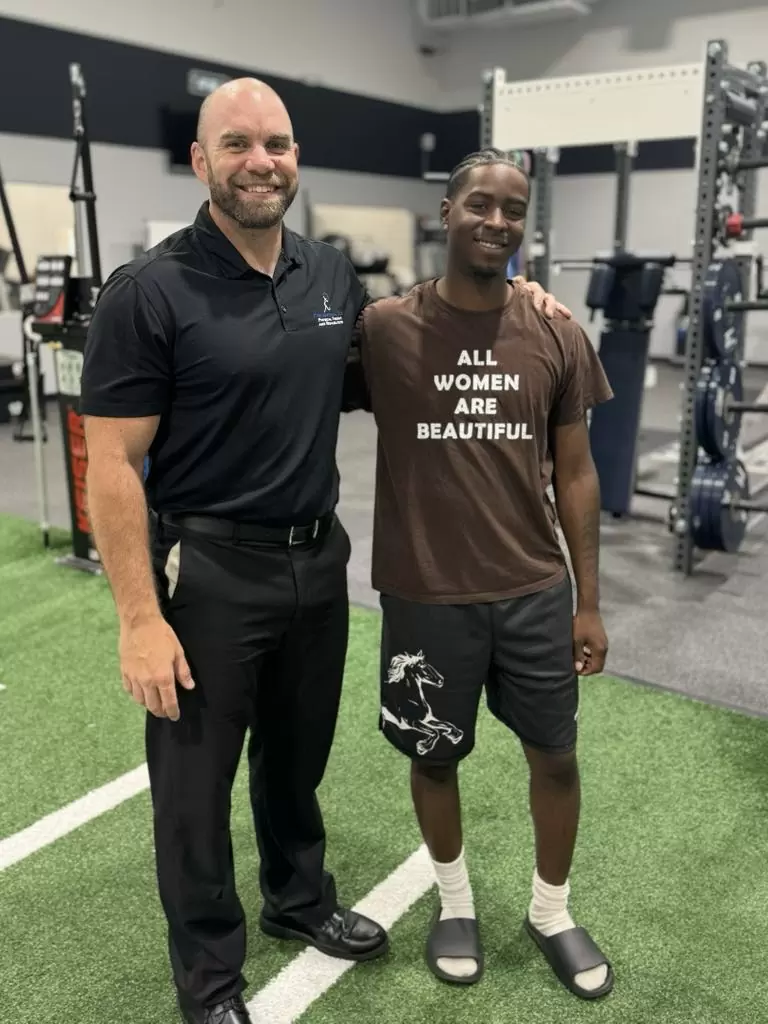
After enduring multiple shoulder dislocations in his sports career, athlete Tray Credle chose to undergo surgery to repair the labrum in his shoulder. Explore his path to recovery and how, with the assistance of Dr. David Swanson, Sports Medicine Orthopedist, and our team, he effectively rehabilitated his injury, enabling him to resume his most-loved sports and activities!