Medical Massage
How Medical Massage Supports Physical and Occupational Therapy for Better Outcomes
Muscle tension, joint stiffness, and persistent pain can interfere with everyday movement and slow recovery, whether symptoms stem from injury, surgery, repetitive strain, or chronic conditions. Research continues to show that addressing soft tissue restrictions plays a critical role in improving function and reducing pain. Medical massage is one evidence-based approach to this, particularly when used to complement physical and occupational therapy.
At Professional Care, we intentionally incorporate medical massage into rehabilitation plans to improve the results of physical and occupational therapy. Although medical massage can be offered as an independent service, it significantly enhances mobility, promotes tissue health, and enables patients to gain more benefits from their physical and occupational therapy sessions.
What Is Medical Massage?
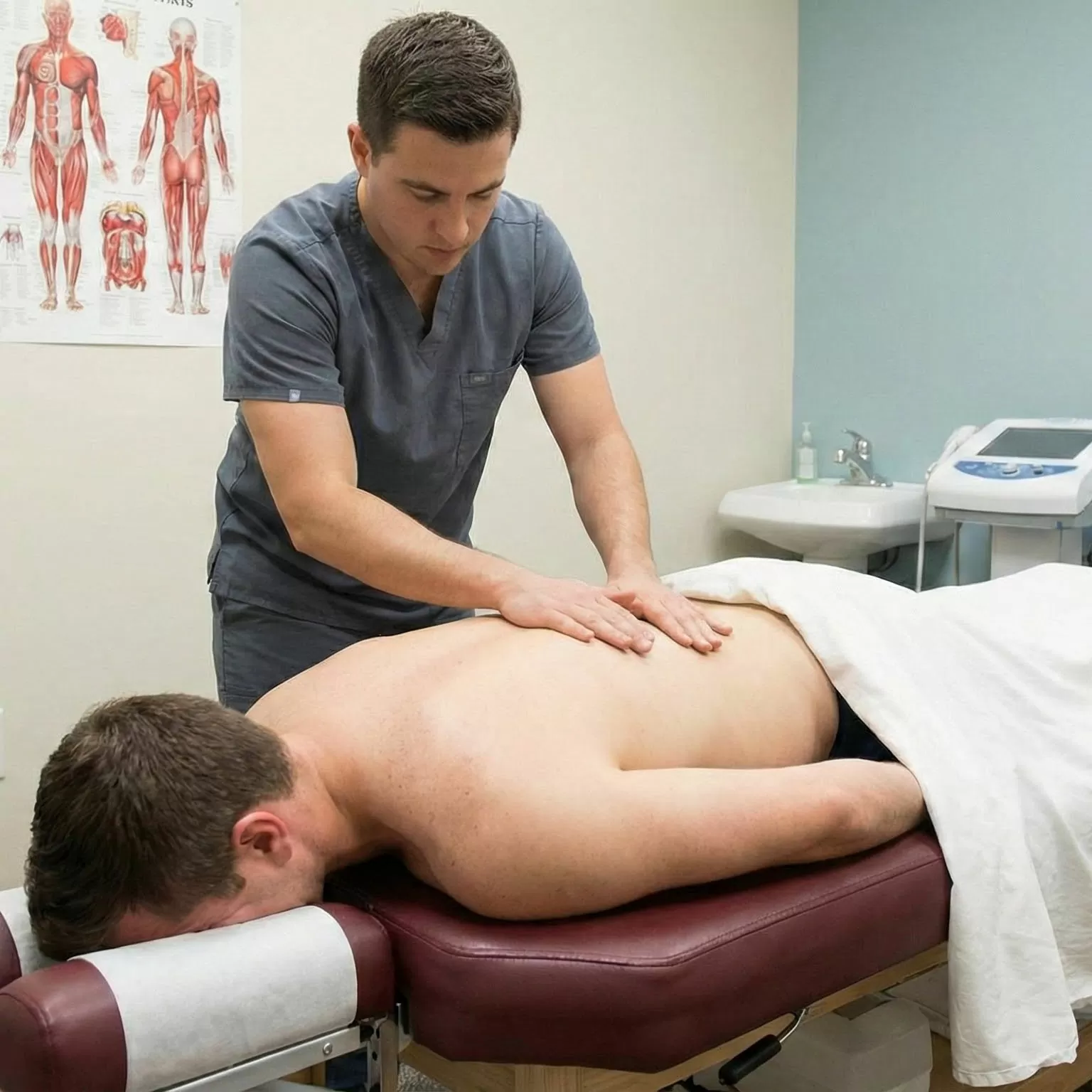
Medical massage is a results-driven treatment focused on specific muscles and soft tissues based on clinical findings and functional goals. Unlike relaxation massage, medical massage is guided by diagnosis and designed to address the underlying contributors to pain, restricted movement, or functional limitations.
Studies show that therapeutic massage can significantly reduce pain intensity and improve function in patients with musculoskeletal conditions. A large systematic review published in Pain Medicine found that massage therapy produced meaningful improvements in pain and physical function for individuals with chronic low back pain and other musculoskeletal disorders.
Medical massage is commonly used to treat patients with chronic pain, support recovery after surgery, address work-related or sports injuries, and manage postural and movement dysfunctions.
Why Medical Massage Is an Important Part of Rehabilitation
Soft tissue restrictions can alter movement patterns, increase joint stress, and make exercise more difficult. Research has shown that increased muscle tone and fascial stiffness are associated with reduced mobility and higher pain levels. Medical massage helps address these barriers by improving circulation, reducing muscle guarding, and enhancing tissue extensibility.
Clinical research has demonstrated that massage can increase local blood flow and reduce delayed-onset muscle soreness, which may help patients tolerate therapeutic exercise more effectively. This creates a more favorable environment for healing and functional recovery.
How Medical Massage Supports Physical Therapy
Medical massage is frequently used to prepare the body for physical therapy interventions. When muscles are tight or protective, joint motion and strengthening exercises can be uncomfortable or limited. Massage helps reduce this tension, allowing patients to move more efficiently during therapy sessions.
Evidence suggests that combining manual soft-tissue techniques with therapeutic exercise yields better outcomes than exercise alone for many orthopedic conditions. Patients often demonstrate improved range of motion, reduced pain, and greater participation in strengthening and mobility programs.
When integrated with physical therapy, medical massage can:
- Improve tolerance for therapeutic exercise
- Reduce muscle guarding around injured or painful joints
- Support improved flexibility and joint mobility
- Enhance overall movement quality
This approach is especially beneficial for individuals recovering from orthopedic surgery, managing spine-related pain, or working through chronic musculoskeletal conditions.
How Medical Massage Supports Occupational Therapy
Medical massage also plays a valuable role in occupational therapy, particularly for upper extremity conditions affecting the hands, wrists, elbows, and shoulders. Research in rehabilitation science indicates that soft-tissue restrictions can impair fine motor control, grip strength, and functional task performance.
By improving tissue mobility and reducing pain, medical massage allows occupational therapy to focus more effectively on restoring daily function. This is especially important for patients with repetitive strain injuries, nerve compression syndromes, post-surgical hand conditions, or work-related overuse injuries.
Studies on hand and upper-extremity rehabilitation indicate that combining soft-tissue interventions with functional training can lead to faster improvements in strength, coordination, and task performance than exercise-based therapy alone.
A Collaborative Approach to Better Outcomes
One of the defining features of care at Professional Care is the collaborative treatment model. Physical therapists, occupational therapists, and massage professionals work together to align treatment strategies with patient goals. Medical massage is applied strategically to support the specific movements, tasks, and functional activities addressed in therapy.
This team-based approach reflects growing evidence that interdisciplinary rehabilitation leads to better patient outcomes, higher satisfaction, and improved long-term function. By addressing tissue health, movement quality, strength, coordination, and daily activity demands together, patients often experience more efficient and sustainable progress.
Is Medical Massage Right for You?
If pain, stiffness, or limited movement is affecting your daily life, medical massage may be a valuable addition to your physical or occupational therapy plan. When combined with therapy, it can help improve comfort, enhance functional gains, and support overall recovery.
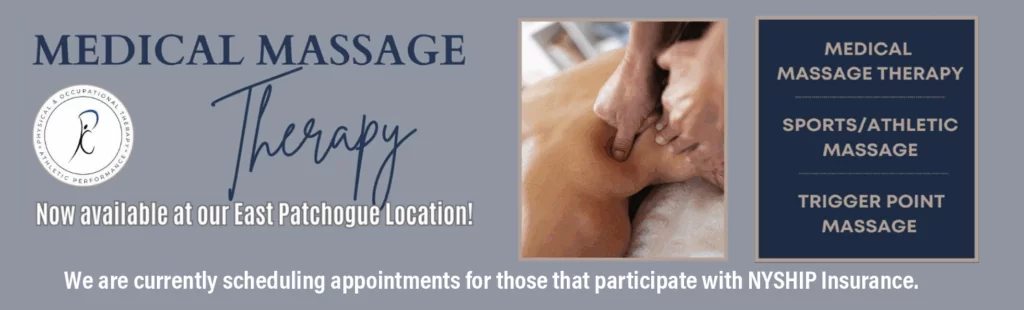
Medical massage appointments are currently available at the East Patchogue location for patients enrolled in NYSHIP. To learn more or schedule an initial appointment, contact Professional Care Physical Therapy & Rehabilitation today.
Sources
- PubMed: Therapeutic Massage and Pain
- PLOS One: Massage and Musculoskeletal Function
- NIH: Soft Tissue Interventions
- PubMed: Manual Therapy Outcomes
Home Care Physical Therapist and
Professional Care Patient Back in Action!
We thoroughly enjoyed another year partnering with our community to assist runners in preparing for the annual Patchogue Kiwanis Santa’s 5K Toy Trot, as well as collecting toys for children in need this holiday season.
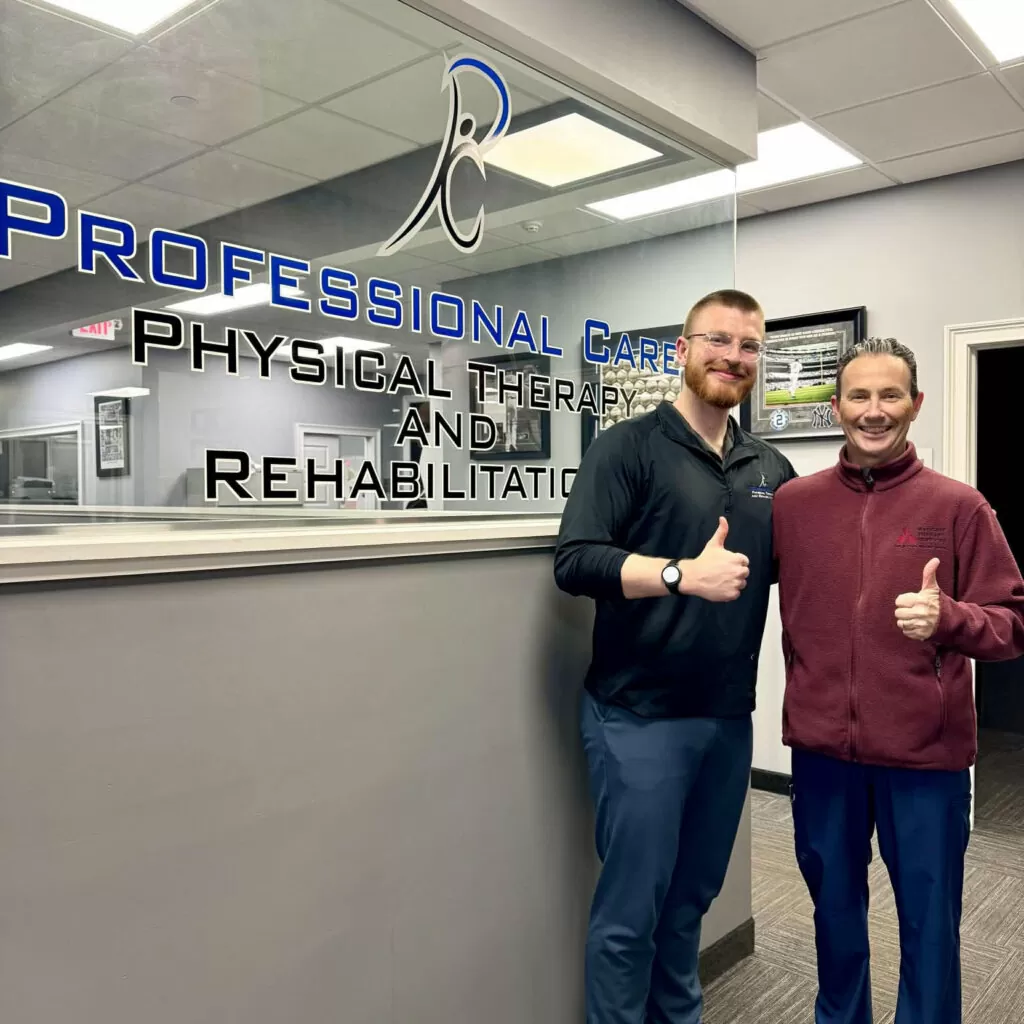
The standout moment of the event was our support for one runner in particular, our patient Stephen Joseph. An avid runner and home care physical therapist, Stephen approached Professional Care several weeks prior to the event seeking assistance for his hip flexor tendinitis and sciatica nerve pain.
Over the course of several weeks, he worked closely with Dr. Jake Thorley, PT, DPT, to prepare for the big run, and it was great to see him back in action.
“I can thank my physical therapist Jake, at Professional Care Physical Therapy, for getting me back to running condition during the 2025 Santa Toy Trot 5K.”
– Stephen Joseph
In addition to taking part in local races, Stephen is also involved with Rolling Thunder Special Needs Program, Inc. Established in November 1998, Rolling Thunder is a nonprofit organization dedicated to supporting mainstream athletes who are developmentally disabled or have other special needs.
The organization emphasizes essential values such as Courage, Honesty, Integrity, Responsibility, Persistence, and Loyalty — all vital qualities for achieving success in life.
For more information about Rolling Thunder, please visit their website at rtsnp.org or scan the QR code below.


For more information or to register, call 631-213-1182
No Referral? No Problem!
Did you know we can see you for Occupational & Physical Therapy with or without a referral from a doctor? Call us today for more information!
Let’s Get You Better ASAP!
Don’t let pain dictate your life. Take the first step towards reclaiming your mobility and well-being with our expert support. Start your journey to a healthier you today.