
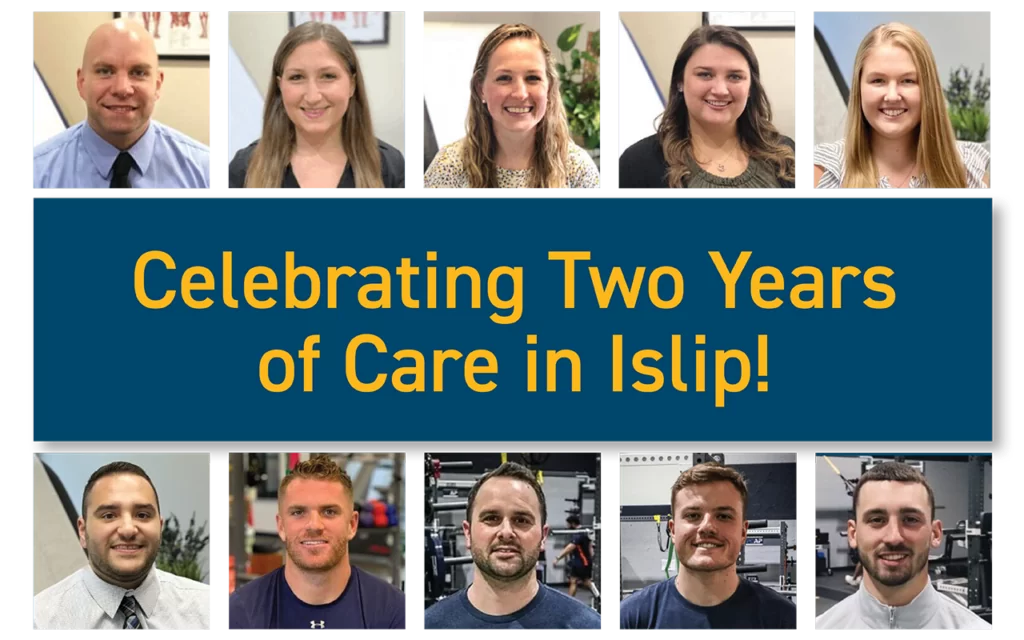
This month, Professional Care Physical Therapy, ProCare Occupational Therapy, and ProCare Athletic Performance (PCAP) are thrilled to celebrate the second anniversary of our Islip location! We take great pride in the exceptional care we’ve delivered throughout this journey! Since its opening, the Islip team has successfully assisted patients in improving their mobility, enhancing their strength, and returning to the sports and activities they love. We would like to express our gratitude to the Islip community for placing your trust in us over the past two years. We eagerly anticipate many more years of supporting your health, wellness and athletic journies!
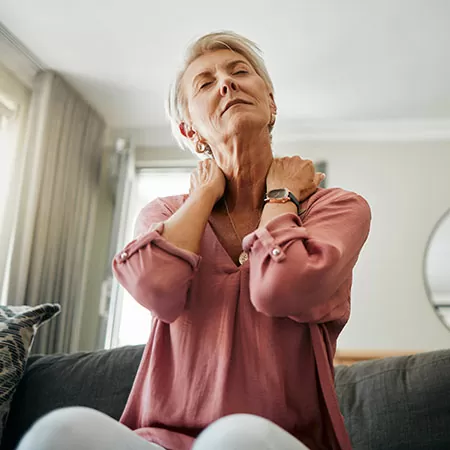
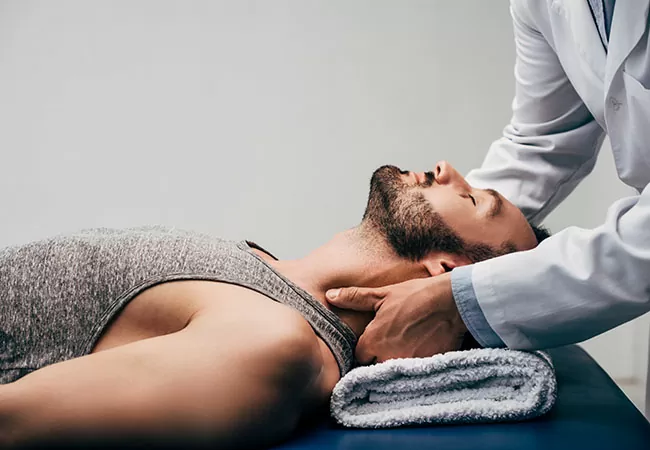
What You Need to Know About Neck Pain
Do you ever find yourself rubbing your neck after a long day at work? Neck pain is one of the more common complaints we see at Professional Care because it can develop from small, everyday movements and posture that you don’t think much about.
Regardless of why it happens, neck pain can quickly interfere with daily tasks, like turning your head to check for incoming traffic. Sometimes, neck issues can even radiate outward, leading to headaches or symptoms in your upper extremities.
Fortunately, the team at Professional Care has plenty of experience helping our patients address the various challenges of neck pain. By providing both physical and occupational/hand therapy services, we ensure you receive comprehensive care–and get the relief you need.
Why Does Neck Pain Develop?
Your cervical spine (which makes up your neck) includes seven vertebrae supported by muscles, ligaments, and nerves. When any of these tissues become irritated, inflamed, or damaged, you can develop a wide range of different symptoms.
There are several reasons you might damage the tissues in your cervical spine. Here are some of the most common:
• Muscle strain from poor posture, especially from prolonged use of phones or computers
• Degenerative conditions like arthritis or degenerative disc disease, both of which can reduce cushioning between the vertebrae
• Nerve compression from a herniated disc or bone spur
• Injuries, such as whiplash or falls, that damage the cervical spine
• Shoulder dysfunction, which can change neck alignment and lead to muscle overuse
When Neck Pain Isn’t Just Neck Pain
It’s important to remember that neck pain doesn’t always stay isolated. For example, muscle tension and strain in your neck and shoulders can sometimes radiate into your head, causing what’s known as a cervicogenic headache.
Issues with your cervical spinal discs can also cause symptoms to radiate into your shoulders, arms, and hands. This occurs when problems in your cervical spine irritate one of the nerves that travel from your neck into your upper extremities, leading to symptoms such as:
• Tingling or numbness in the arms or fingers
• Muscle weakness in the hands or forearms
• Shooting pain down the arm
This interconnectivity can also go the other way. Shoulder problems like rotator cuff injuries or a frozen shoulder can sometimes cause symptoms in the neck. When shoulder movement becomes restricted, the neck muscles often work harder to compensate, causing strain, tightness, and discomfort to develop in the upper spine.
A Comprehensive Approach to Addressing Neck Pain
At Professional Care, we take a patient-first, hands-on approach to treating neck pain. We tailor our treatment programs based on your diagnosis, symptoms, and goals.
Physical Therapy for Neck Pain Relief
Our physical therapists will work closely with you to resolve the underlying source of your neck pain–whether it’s a soft tissue injury, a problem with a cervical disc, or the result of poor posture and a sedentary lifestyle. We offer several techniques, including the following:
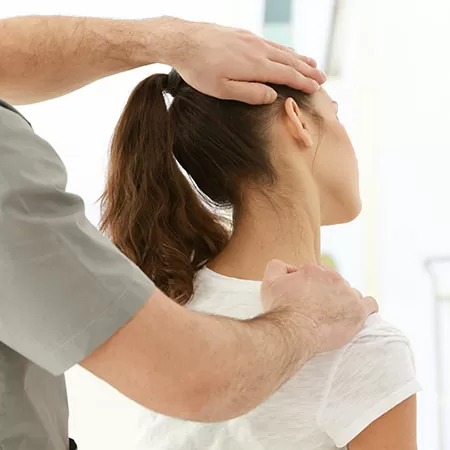
• Manual therapy to reduce stiffness and discomfort in your neck
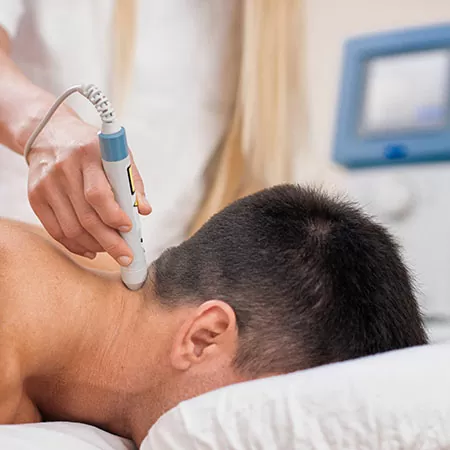
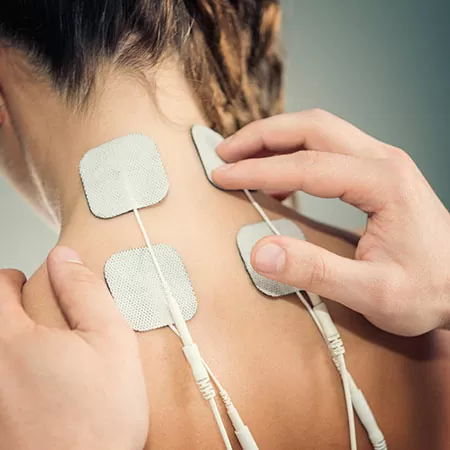
• Modalities like ultrasound therapy and electrical stimulation to ease pain and promote healing
• Therapeutic exercise to strengthen supporting neck and shoulder muscles
• Postural correction to reduce strain caused by sitting or repetitive motions
• Neuromuscular re-education to improve movement patterns and reduce tension
Occupational Therapy for Neck Pain Relief
Our certified hand and occupational therapists focus on issues specifically related to your upper extremities. If your neck pain is radiating down into your arms, hands, and fingers, we can help you manage your symptoms through techniques such as:
• Posture and body mechanics education on proper posture during sitting, standing, sleeping, and performing daily tasks
• Ergonomic assessments to identify how your work or home setup may be contributing to your symptoms
• Minor adjustments, like teaching alternative ways to move and changing habits to help reduce unnecessary strain on the neck and shoulders
Lasting Relief Through Team-Based Care
Regardless of what’s causing your neck pain or how it’s affecting your life, the Professional Care team can help you move, work, and live with less pain and more ease.
Don’t let neck pain keep you from doing what you love. Contact our clinic today to schedule your initial assessment and start on your journey to lasting pain relief!
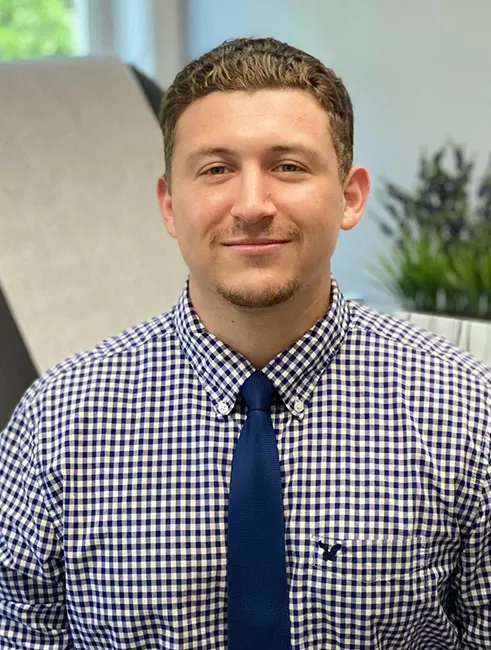
Alexander Scheiner
PTA, AIB-VRC
Professional Care’s Alexander Scheiner has a new certification to add!
Congratulations, Alex, on successfully completing the American Institute of Balance Vestibular Rehabilitation and Concussion Management Course! Vestibular Rehabilitation Therapists are equipped to assist individuals with balance issues, enhancing their stability, minimizing dizziness, and decreasing the likelihood of falls.

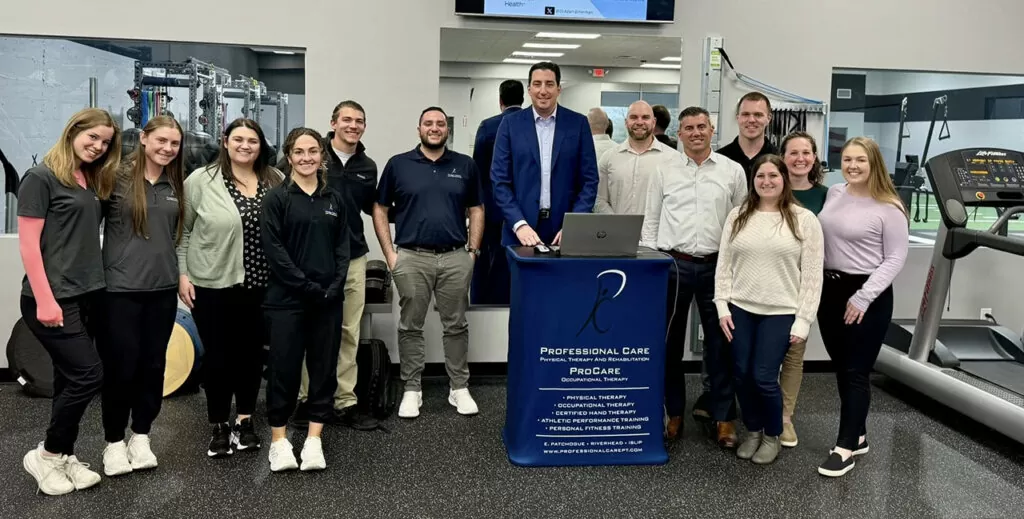
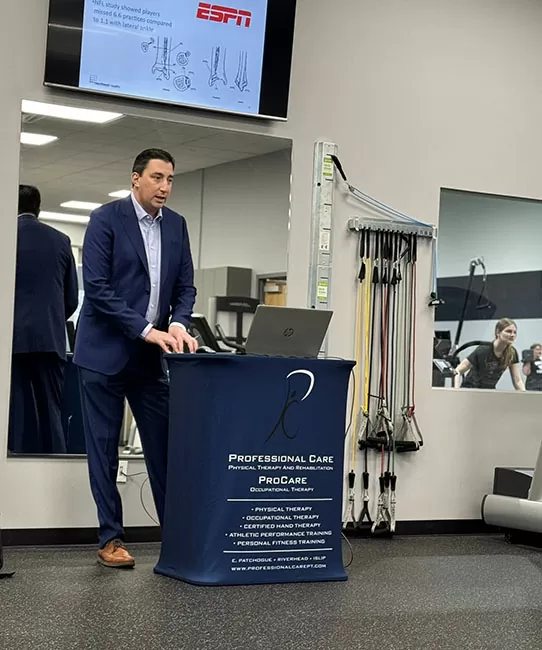
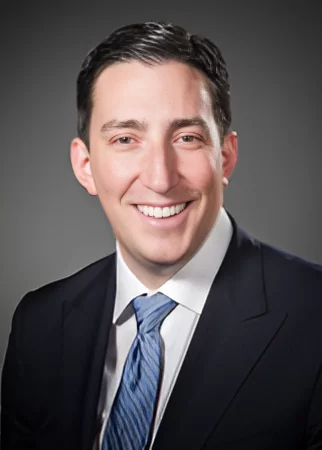
Our April in-service at Professional Care delved deeply into foot and ankle injuries in athletes, led by Dr. Adam Bitterman. As an Orthopaedic Surgeon and the Chairman and Associate Program Director for Northwell Health, Dr. Bitterman specializes in foot and ankle surgery. He particularly focuses on treating lower leg issues, including foot and ankle arthritis, deformities, Achilles tendon disorders, and sports-related injuries. We are grateful to Dr. Bitterman for the incredible presentation and the time he spent with our therapists and staff!
Dr. Adam Bitterman
Orthopaedic Surgeon and the Chairman and Associate Program Director for Northwell Health
Five Star Review

“5 stars are not enough! This place is great, if you need PT this is the place to go. From the ladies behind the desk, Tom in the gym, the always helpful assistants like Keith and Diamond, and Ryan Jensen (the physical therapist) this place is great. I’ve had a few different times where I or my family members needed PT and I would not go anywhere else or recommend anywhere else.”
— Bryan W.

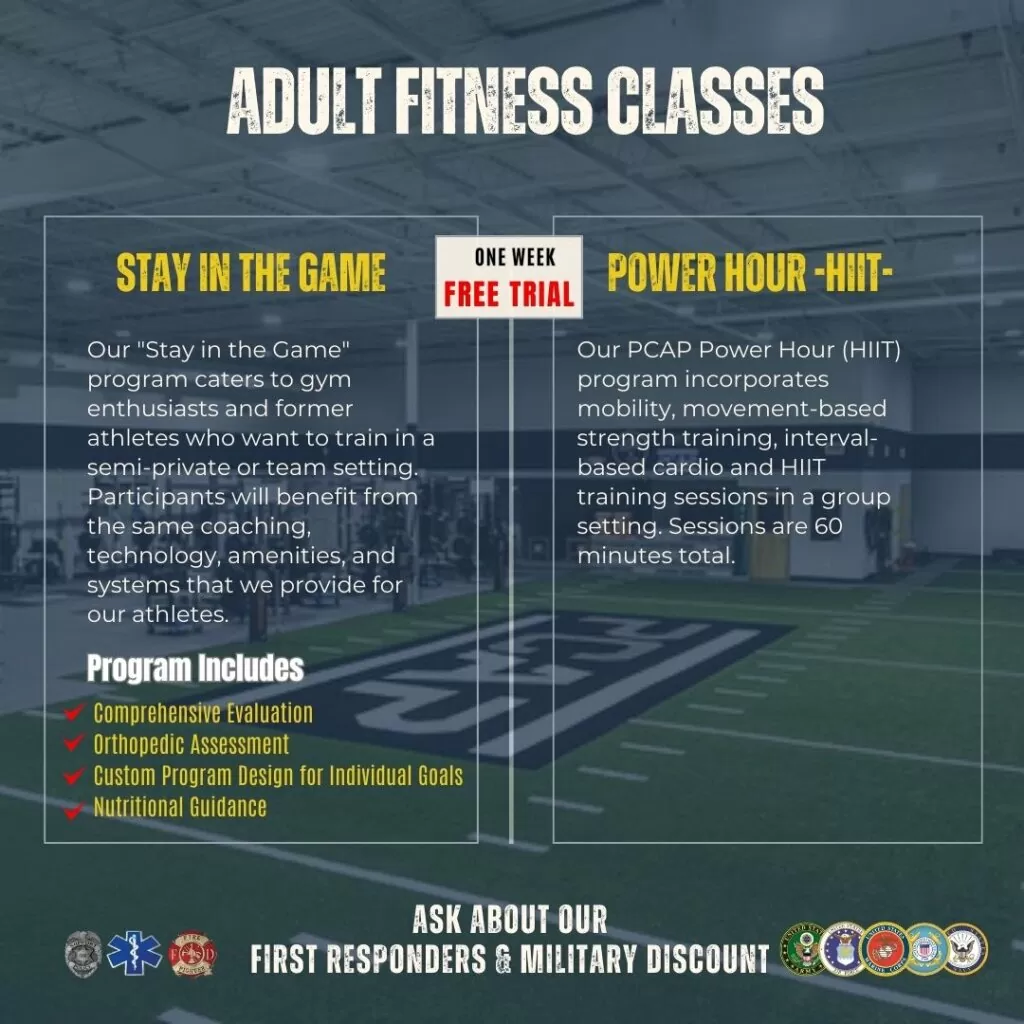

Call or email today to reserve your spot.
631.213.1182
www.ProCareAthleticPerformance.com
Click below to learn more about our athletic and adult programs.
No Referral? No Problem!
Did you know we can see you for Occupational & Physical Therapy with or without a referral from a doctor? Call us today for more information!

.
Feel Better by Eating Better!
Mango Lassi Smoothie!
Bursting with flavor and protein, this mango lassi-inspired smoothie is your go-to fuel for a busy day. Made with sweet frozen mango, rich Greek-style yogurt, and nourishing hemp seeds, it’s a creamy, energizing blend that keeps you satisfied. Enjoy it as a quick breakfast, a post-workout pick-me-up, or a refreshing anytime snack.
Ingredients
- 1 pitted dried date
- 1 cup whole milk
- ¼ cup whole-milk plain strained (Greek-style) yogurt
- 1 cup frozen mango chunks
- ¼ teaspoon ground cardamom
- 1½ tablespoons hulled hemp seeds, divided
Place 1 date, 1 cup milk, ¼ cup yogurt, 1 cup frozen mango, ¼ teaspoon cardamom, and 1 tablespoon hemp seeds in a blender. Process until smooth, about 1 minute, stopping to scrape down sides as needed.
Pour the smoothie into a glass; top with the remaining ½ tablespoon hemp seeds.
Let’s Get You Better ASAP!
Don’t let pain dictate your life. Take the first step towards reclaiming your mobility and well-being with our expert support. Start your journey to a healthier you today.