
Addressing Arthritis with Hand Therapy
No one wants to deal with hand pain. You use your hands constantly throughout the day, and pain can severely limit your ability to perform simple tasks, like brushing your teeth or buttoning up a shirt.
While hand injuries can be a source of pain, lingering pain often stems from arthritis, which causes joint pain and inflammation. Fortunately, the certified hand and occupational therapists at ProCare Occupational Therapy can find relief from arthritis-related hand pain.
We’ll work with you to develop a customized treatment program that alleviates your pain, improves your mobility, and helps you do those small daily tasks throughout the day.
Understanding Hand Arthritis: RA vs OA
Arthritis is an umbrella term for over 100 conditions that cause inflammation, pain, and restricted joint mobility. The two most common types of arthritis, osteoarthritis, and rheumatoid arthritis, can both affect the hands.
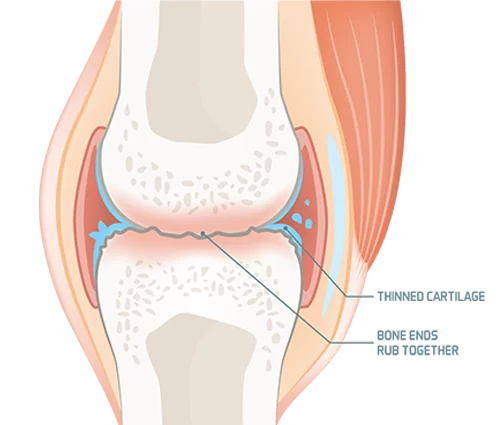
Osteoarthritis (OA)
Osteoarthritis occurs when the cartilage in a joint degenerates, causing the bones to rub against each other. It tends to affect weight-bearing joints (such as the hips or knees), but it can occur in any joint in the body, including the hands.
Osteoarthritis symptoms typically onset gradually and include the following:
• Hand pain that worsens with use
• Restricted range of motion
• Grinding, clicking, or cracking noises in the hand joints
• Weakened grip
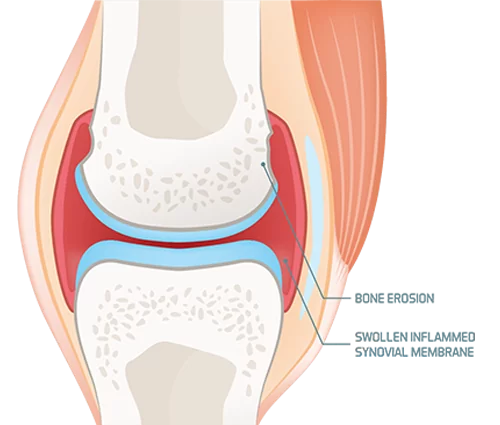
Rheumatoid Arthritis (RA)
Rheumatoid arthritis is an autoimmune disorder that causes the body’s immune system to attack the lining of your joints, leading to symptoms. It typically attacks the small joints in your hands and feet first before spreading to other parts of the body.
Symptoms will follow a pattern in which they get worse (flares) or better (remission). Here’s what to look out for:
• Pain, usually in more than one joint
• Stiffness, tenderness, and swelling, usually in more than one joint
• Weakened grip
• Symptoms occur on both sides of the body (i.e., both hands)
RA also often has additional symptoms unrelated to your joints, such as fever or fatigue.
How Occupational Therapy Helps You Find Relief from Hand Arthritis
Like physical therapy, occupational therapy can help you reduce pain and improve function. However, occupational therapy also focuses on helping you manage day-to-day tasks. Furthermore, our team of certified hand and occupational therapists has specialized training in the complex, delicate joints and tissues located throughout your hands and wrists.
That’s why occupational therapy is a great way to address hand arthritis. We can help you manage your symptoms and restore the fine motor skills required to complete important tasks throughout the day.
At your first appointment, we’ll take a complete health history, learn more about your specific symptoms, and assess how your arthritis is affecting your grip strength, hand mobility, and more. From there, we’ll create a personalized treatment program that addresses your unique needs.
Four Techniques to Help You Manage Hand-Related Arthritis
Manual Therapy
These hands-on, drug-free techniques can help reduce pain and inflammation while working to improve mobility. We might mobilize the small joints in your hand to improve the range of motion or gently manipulate soft tissue to reduce pain.
Targeted Hand Exercises
Exercise is a key component in managing arthritis, and hand arthritis is no different. We’ll walk you through a personalized exercise program that improves joint mobility and builds strength in your hands and forearm muscles–without aggravating your condition.
Custom Splints
Custom hand splints work to mobilize your hand and/or wrist, relieving pressure on your joints and minimizing further joint damage. They can also help relieve pain, especially if you have rheumatoid arthritis, which flares up and then goes into remission; a hand splint can help you during bad flare-ups.
Movement Modifications
A major part of occupational therapy is helping you perform day-to-day tasks. We can help you find strategies or equipment (i.e., button hooks, built-up handles on utensils, and jar openers) to navigate activities that are difficult for you. That way, you can maintain as much independence as possible.

Wave Goodbye to Arthritic Hand Pain Today!
At ProCare, we know how difficult it can be to live with hand arthritis. Fortunately, our team of certified hand and occupational therapists can provide you with the tools you need to successfully manage your condition.
Ready to get started? Contact our clinic to set up your first appointment!
Nick Dabrowski joins our Islip Team!

Dr. Nicholas Dabrowski, PT, DPT grew up in Smithtown, New York, and graduated from Smithtown East High School. While at Smithtown East, Nick played varsity soccer and was a thrower during both the winter and spring track seasons.
Nick attended SUNY Oneonta where he earned his bachelor’s degree in biology in 2021, with a particular interest in human physiology and strength and conditioning. During his time at Oneonta, Nick was part of the school’s fencing club, where he served as vice president during his Junior and Senior years. He attended multiple tournaments and even helped to host a tournament at the SUNY Oneonta campus. Nick went on to pursue his Doctor of Physical Therapy degree at Sacred Heart University and graduated in May 2024. Nick’s clinical experiences include a rotation at Performance Optimal Health in Greenwich, CT where Nick worked closely with athletes of all types and ages including runners and rowers, as well as, football, soccer, tennis, and lacrosse players. Nick has also gained experience with neurological and pediatric physical therapy while on clinicals at Jared Caspe Physical Therapy in St. James, NY working with diagnoses such as multiple sclerosis, Parkinson’s disease, and developmental delay in pediatrics.
Nick attended the APTA Combined Sections Meeting at Boston in 2024 where he attended lectures on current evidence in ACL rehab for athletes, Tactical rehab (physical therapy for first responders and military) and diagnostic ultrasound and electromyography.
Outside the clinic, Nick enjoys rooting for his favorite sports teams including Arsenal FC, New York City FC, Mets, Knicks, Islanders and Giants. He also enjoys playing soccer and basketball, also playing the guitar and video games.


Relief from Cubital Tunnel Syndrome
Rose Champion
ProCare Occupational Therapy patient Rose Champion is a music teacher and pianist who suffers from Cubital Tunnel Syndrome. She is a patient of Dr. Arthur Pallotta of Orlin and Cohen, a fellowship-trained orthopedic surgeon specializing in treating hand, wrist, and sports-related injuries.
Cubital tunnel syndrome, commonly known as ulnar nerve entrapment, occurs when the ulnar nerve becomes irritated or compressed at the inner part of the elbow. If your ulnar nerve is compressed or irritated at the elbow, you might be experiencing cubital tunnel syndrome. This nerve can also be impacted higher up in the arm or at the wrist.

You may qualify for No Cost physical therapy from the clinic you trust
If you have met your insurance deductible this year, or have unused money in your HSA account, it could cost you little or nothing to come to Professional Care Physical Therapy and Rehabilitation for your aches and pains from now until the end of 2024. Or, if you want to work on improving your strength before heading into 2025, we can help you with that too! Our highly experienced team of physical therapists offer specialized treatment services designed to help you meet your goals. Let us help you get a head start on next year, before your deductible renews again!

Feel Better by Eating Better!
MAPLE ROASTED ROOT VEGETABLES WITH PECANS AND THYME
These Maple Roasted Root Vegetables are everything you want in a crowd pleasing holiday side dish: beautiful, delicious, and easy to make. Maple syrup enhances the natural sweetness of oven roasted vegetables, which makes this recipe a great twist on classic roasted root vegetables. Naturally vegan and paleo, this healthy side dish is jam-packed with seasonal fun and flavor.
- 1 red onion, sliced
- 2 large carrots, peeled and diced to 1” cubes
- 2 large parsnips, peeled and diced to 1” cubes
- 1 large orange sweet potato, diced to 1” cubes
- 1 large purple sweet potato, diced to 1” cubes
- 1 bunch radishes, ends trimmed and halved
- 2 tbsp olive oil
- 4 tbsp maple syrup
- 1 tsp apple cider vinegar
- 1 tsp sea or kosher salt
- 1 tsp cracked black pepper
- 1/3 c chopped pecans
- 1 tbsp fresh thyme
Directions: Heat oven to 425°F. Line two baking sheets with parchment paper and set aside. Combine olive oil, maple syrup, and apple cider vinegar into a small bowl or 1-cup measuring cup and whisk until smooth. Place the prepared root vegetables into a large mixing bowl. Pour the maple oil over the vegetables and toss until they’re evenly coated. Spread the vegetables evenly between the two baking sheets. Ensure that none of the vegetables are too tightly packed together. There will be residual maple oil at the bottom of the bowl, so pour that over the vegetables and toss on pan until evenly coated. Sprinkle the vegetables with salt and pepper. Transfer the baking sheets to the oven and roast for 20 minutes. Remove the sheets from the oven, stir the vegetables, then return to the oven and roast an additional 20 minutes. Remove the sheets from the oven one final time and sprinkle the pecans over the vegetables. Return to the oven to roast for 5 an additional minutes. Remove the baking sheets from the oven and sprinkle with fresh thyme. Transfer to a serving bowl and serve immediately.
Exercise of the Month
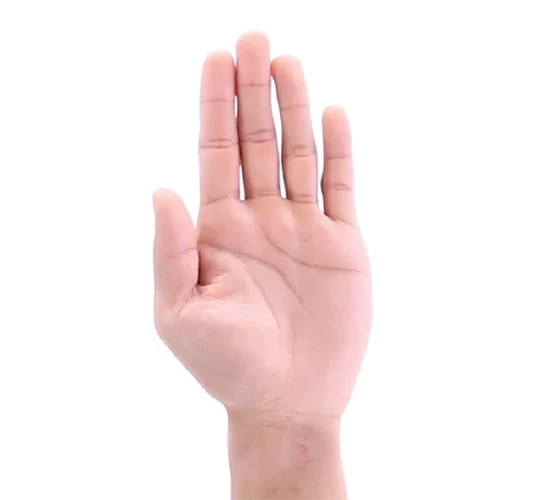
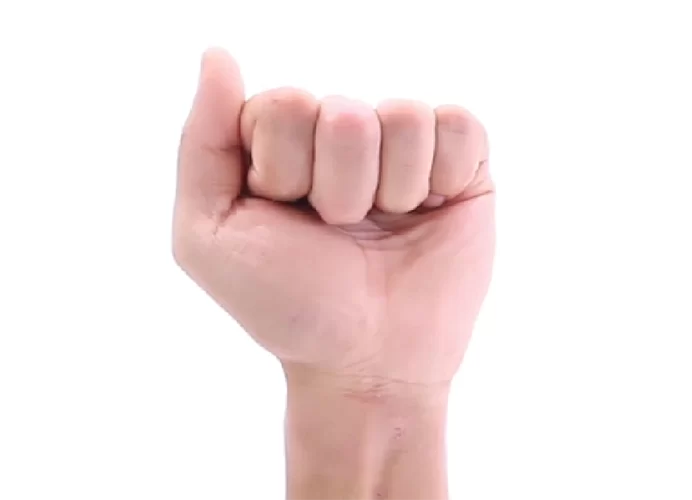
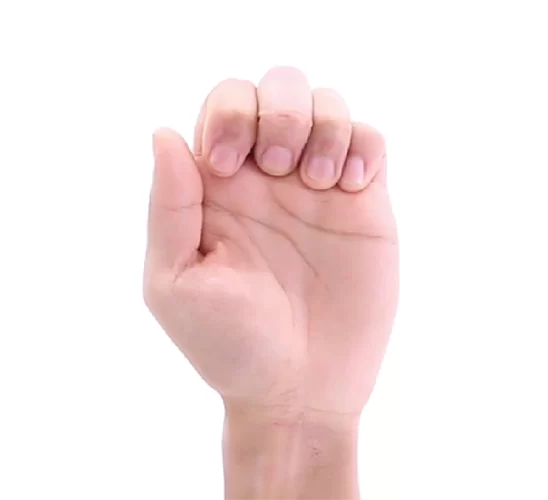
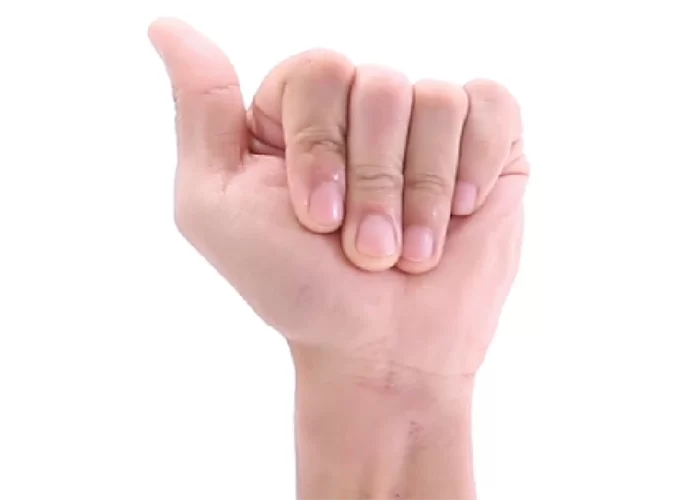
AROM Hand/Finger Tendon Glide
Start with your fingers straight. Make a hook fist, and return to a straight hand. Make a full fist, then return to a straight hand. Make a straight fist, and return to a straight hand. Repeat for 3 sets of 20 reps on both hands.

Let’s Get You Better ASAP!
Don’t let pain dictate your life. Take the first step towards reclaiming your mobility and well-being with our expert support. Start your journey to a healthier you today.