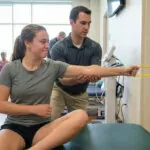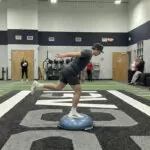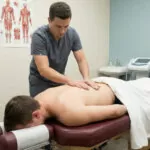


We love winter sports at Professional Care! Skiing, snowboarding, and ice hockey are just a few of our favorites – although we’ve been known to spend an afternoon sledding, too. Unfortunately, the physical demands of these activities can sometimes result in an injury.
However, if you do suffer an injury while out enjoying the winter weather, don’t worry. We offer physical, occupational, and certified hand therapy to help you rehabilitate your injury so you can get back to your favorite activities safely and quickly.
Understanding Common Winter Sports Injuries
Knee Injuries
Skiing is one of the most common culprits of wintertime knee injuries. Sudden twists during high-speed turns or improper landings after a jump can damage your knee’s ligaments (particularly the ACL and MCL).
Snowboarding can also lead to similar injuries, mainly when the rider’s knee absorbs too much impact during a fall or landing.
Shoulder Injuries
Falling onto an outstretched arm can lead to shoulder injuries like rotator cuff tears or shoulder dislocations – whether skiing, skating, snowboarding, or traversing icy terrain.
Similarly, the intense physical contact in ice hockey often leads to collisions that strain or tear shoulder muscles and tendons.
Back Injuries
Sledding and snowmobiling are common causes of back injuries, particularly strains or herniated discs. Hitting bumps or uneven terrain at high speeds can put excessive pressure on the spine, leading to injury.
Another thing to watch out for is poor techniques when carrying heavy equipment, such as snowboard or ski board. This can stress the back and make you more susceptible to injuries.
Wrist and Hand Injuries
Wrist fractures and sprains are frequent among snowboarders and ice skaters. Falling forward while snowboarding often leads to instinctively using your hands to break the fall, which puts tremendous stress on the wrist.
On the other hand, ice skaters are prone to finger and hand injuries if they fall and come into contact with sharp skate blades or the hard surface of the ice.
How We Can Help You Recover From a Winter Sports Injury
When you come in for your first appointment after an injury, our team will conduct a comprehensive assessment to help us understand your symptoms and recovery goals. We’ll then create a personalized treatment plan to address your injury, improve mobility, and restore strength and function in the affected area.
Physical Therapy Techniques for Winter Sports Injuries
Physical therapy is ideal for addressing injuries to your shoulders, spine, and lower body. Here are some of the techniques we might suggest:
Manual Therapy
Manual therapy involves hands-on techniques like joint mobilization and soft tissue manipulation, helping to address pain, improve range of motion, and facilitate healing.
Therapeutic Exercises
Strength and mobility exercises are vital for rebuilding muscle strength and preventing future injuries. For example, we might help you strengthen the core muscles to help prevent back injuries or the hip and thigh muscles to help stabilize your knee.
Occupational Therapy for Winter Sports Injuries
Our certified hand and occupational therapists have specialized training in the small, complex joints of your hands, wrists, and arms, making them an ideal choice for addressing upper extremity injuries. Our big focus is helping you restore your fine motor skills through techniques such as the following:
Custom Splinting
Custom-made splints stabilize injured areas, allowing tissues to heal properly while maintaining mobility in nearby joints. For example, a splint for a wrist sprain might immobilize the joint to reduce strain while healing.
Grip Exercises
Grip-strengthening exercises, such as squeezing a therapy ball, can rebuild hand function. These exercises are particularly helpful after fractures or tendon injuries.
Dexterity Training
Activities like manipulating small objects or using therapeutic putty can help improve coordination and precision in your hands and fingers.

A Partner In Your Recovery
Recovering from a winter sports injury can be challenging, but you don’t have to face it alone. The team at Professional Care provides evidence-based solutions to help you resolve your injury — and avoid future issues.
Schedule an appointment today to learn more about
how we can help.

This Year’s Professional CARE Award Goes To…..
The Professional CARE Award, now in its second year, celebrates exceptional performance by recognizing an employee who consistently exhibits professionalism and outstanding care for our patients. Congratulations to this year’s honoree, Katie Brown!
While we value and appreciate all of our employees for their hard work and contributions to our practice, Katie’s strong work ethic and her extraordinary dedication to the well-being of our Riverhead patients truly set her apart.
Congratulations Katie!!
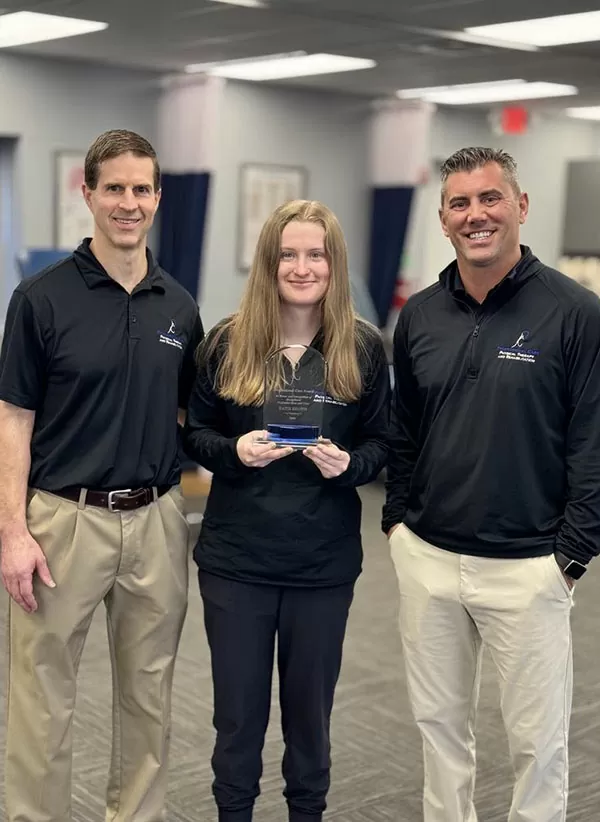
Pictured from Left to Right: Dan Anderson, Clinical Director at Riverhead; Katie Brown, PT Aide at Riverhead; and Dr. George Ciresi, Co-Founder and Co-Owner of Professional Care PT, ProCare OT, and ProCare Athletic Performance.

Professional Care Welcomes
Jake Thorley, PT, DPT, CSCS
to our East Patchogue Location!
Dr. Jake Thorley grew up in Manorville where he attended and graduated from Eastport South Manor Junior-Senior High School in 2018. As a soccer and baseball player, Jake sustained several injuries over the years and was frequently exposed to the field of physical therapy. Jake attended Springfield College, where he graduated in 2022 with his Bachelor’s Degree in Health Science.
He then continued his education at Springfield to attend their Doctor of Physical Therapy Program, where he graduated with his DPT in 2024. During this time, Jake also obtained his Certified Strength and Conditioning Specialist certification, allowing him to better understand the principles of strength and conditioning, so that he could apply them to patients of all demographics.
Jake’s clinical experience throughout his education include an acute care rotation at St. Charles hospital, outpatient orthopedic and sports medicine rotation at Mercy Health in Cincinnati, and outpatient orthopedics at Live Every Day in Springfield. Jake enjoys working with individuals of all ages, with a particular interest in sports rehabilitation and performance. Outside of physical therapy, Jake enjoys participating in weightlifting and playing soccer.

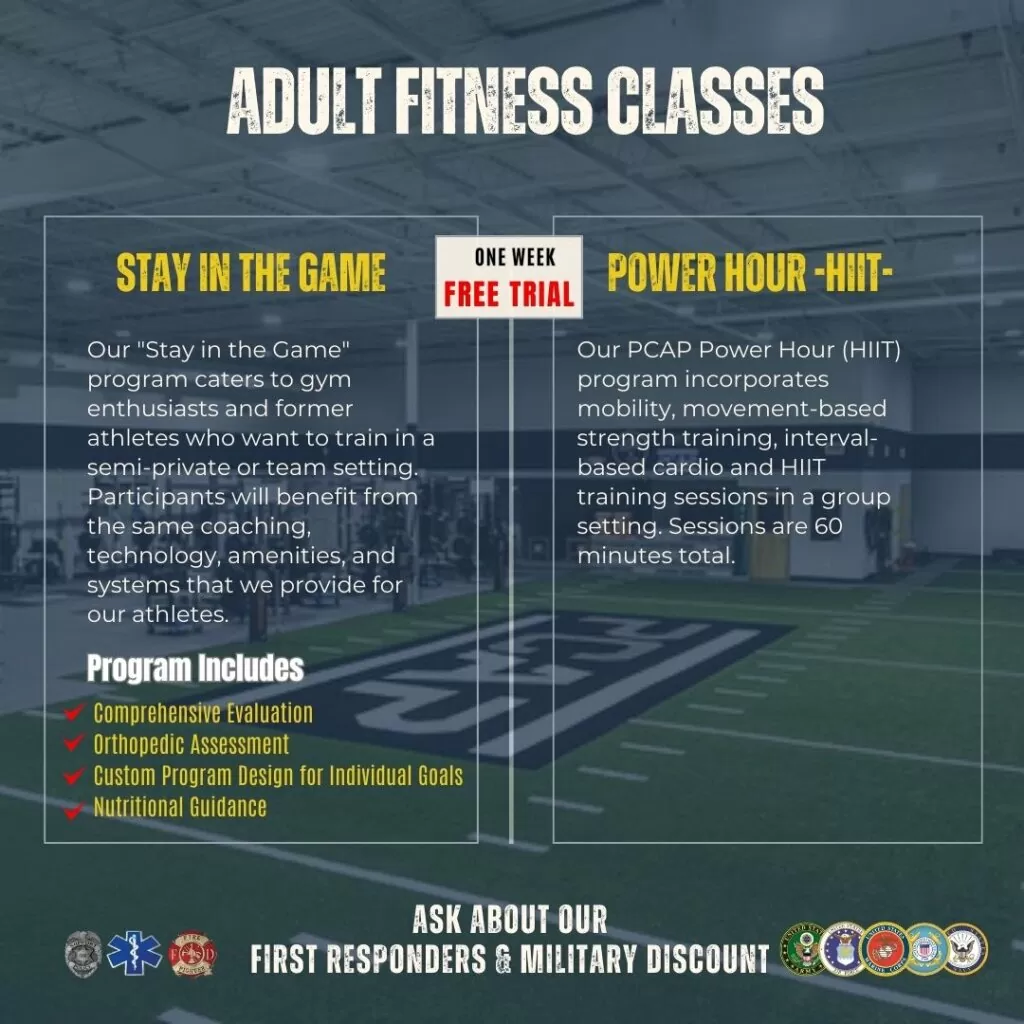

Call or email today to reserve your spot.
631.213.1182
www.ProCareAthleticPerformance.com
Click below to learn more about our athletic and adult programs.
Simple Ways to Improve
Your Heart Health
Caring for your heart doesn’t require a complete overhaul of your lifestyle! Focusing on small, consistent changes can make a big difference–and it’s much more sustainable.
Three Tips to Get You Started

Stay Physically Active
Engaging in moderate aerobic activity is one of the most important things you can do for heart health. Regular exercise strengthens the heart muscle, regulates blood pressure, helps you maintain healthy cholesterol levels, and helps you manage stress.
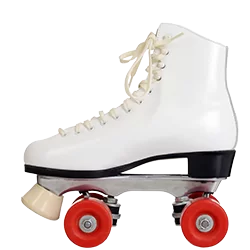
The trick is finding an activity you love, so you look forward to your workouts! Try to think outside the box: nature walks, dance parties, and roller skating can all get your heart pumping.

Incorporate More Heart-
Healthy Foods
A diet rich in fruits, vegetables, whole grains, and lean proteins is another key factor in improving cardiovascular health. To get started, try adding healthy options to every meal–for example, have an orange with your breakfast or add a side salad at dinner.

Prioritize Quality Sleep
Studies link poor sleep quality to an increased risk of heart disease, so take your sleep hygiene seriously. Aim for seven to nine hours of restful sleep each night. To help you get there, try to limit screen time and caffeine usage in the evenings. A few minutes of mindfulness meditation each night can also help you relax.
We’re Here to Help
We know healthy lifestyle changes can be tricky to implement – but you don’t have to do it alone! The team at Professional Care can help you pinpoint any issues or impairments that might be holding you back and then work with you to correct them. Schedule an appointment today to get started!

Feel Better by Eating Better!
Creamy Thai Carrot & Sweet Potato Soup
A nourishing, slightly spicy soup that’s perfect for cozy nights or meal prep. Easily customizable, you can adjust the spice level to your preference and enjoy a bowl of this wholesome goodness in under an hour.
Serve it as a light lunch or pair it with crusty bread for a heartier meal. Either way, this Thai-inspired soup is sure to become a favorite!
Directions:
In a large pot, melt coconut oil over medium heat. Add onion, garlic, and ginger and sauté for 5-6 minutes until onion is translucent. Stir in curry paste. In a small bowl, whisk together some of the broth with almond butter until smooth. Add mixture to pot, along with carrots, sweet potatoes, salt, and remaining vegetable broth. Stir until combined. Bring soup to a low boil over medium-high heat and then reduce heat to medium-low. Cover and simmer for 15-20 minutes, until potatoes and carrots are fork-tender. Ladle soup carefully into a blender. You will likely have to do this in a couple of batches, depending on the size of your blender (never fill your blender past the maximum fill line). Being careful to avoid hot steam from the lid, blend on low and slowly increase speed until soup is completely smooth. (Alternatively, you can use an immersion blender and blend the soup directly in the pot.) Season with salt and black pepper to taste. For more spice, add ¼ tsp cayenne pepper, and blend again. Transfer soup back to pot and reheat if necessary. If desired, you can thin soup out with a bit more broth if it’s too thick for your preference. Ladle soup into bowls and top with minced cilantro, a squeeze of lime juice.
https://www.simplyquinoa.com/anti-inflammatory-ginger-turmeric-carrot-soup
Ingredients
- 1 tbsp coconut oil
- 2 cups chopped yellow/sweet onion
- 2 cloves garlic, minced
- 1 tbsp minced fresh ginger
- 2 tbsp red curry paste
- 4 cups low-sodium vegetable broth, plus more if needed
- ¼ cup raw almond butter or
- peanut butter
- 3 cups diced peeled carrots
- 3 cups diced peeled sweet potatoes
- ½ tsp fine-grain sea salt
- Freshly ground black pepper
- Up to ¼ tsp cayenne pepper (optional, if you like spice)
For Garnish
- Minced fresh cilantro
- Fresh lime juice
Exercise of the Month
Seated Sciatic Nerve Tensioner
3 Sets, 10 Reps, 0 Hold
Sit in a chair with one foot flat on the ground and the foot on the side you want to work flexed with your toes pointing towards your face. Lift one lower leg by lightly contracting the upper thigh while simultaneously lowering your head, slowly tucking your chin towards your chest and exhaling. Slowly return to start.


Let’s Get You Better ASAP!
Don’t let pain dictate your life. Take the first step towards reclaiming your mobility and well-being with our expert support. Start your journey to a healthier you today.